

I want to help you decide between kratom extract and powder for pain relief, energy, or everyday use. Both are made from Mitragyna speciosa but differ in processing, alkaloid concentration, onset, duration, cost, and convenience. This guide aims to highlight the differences so you can choose what’s best for you.
In this article, I’ll explain how kratom powder and extracts are made. I’ll discuss their potency and effects. I’ll also talk about dosing, safety, taste, and cost. Plus, I’ll mention the importance of third-party lab testing and clear labeling, as advised by the National Institutes of Health and the American Kratom Association.
I write for a U.S. audience, aiming for a friendly and straightforward tone. If you’re searching for the best kratom for pain relief, a dosage guide, or where to buy kratom extract, this comparison will offer practical advice. It’s based on evidence to help you pick the right form for your needs.
Key Takeaways
- Kratom powder preserves a full range of alkaloids and tends to have a gentler, longer-lasting effect.
- Kratom extracts concentrate alkaloids for faster onset and stronger effects per dose.
- Processing and extraction methods change potency and can obscure strain nuance found in kratom powder.
- Reliable sourcing and third-party lab testing (NIH and American Kratom Association resources) are essential for safety.
- Dosing precision matters more with extracts; use scales or pre-measured capsules to avoid overconsumption.
What is Kratom Powder and how it’s produced
I grew up learning about Mitragyna speciosa and its use in Southeast Asia. Kratom powder comes from mature leaves in Indonesia, Thailand, Malaysia, or Myanmar. Farmers dry these leaves in the sun or use ovens, then grind them into a fine powder.
Origins and traditional processing
Traditional methods often use whole-leaf tea or simple grinding. Farmers sort leaves by color and maturity before drying. Sun-drying adds earthy tones, while oven-drying is faster but keeps alkaloids intact. Many like powder for its clear journey from harvest to jar.
Full-spectrum alkaloids preserved in powder
Kratom powder keeps a wide range of alkaloids because it’s less processed. Mitragynine is the main compound, with smaller amounts of 7-hydroxymitragynine and other alkaloids. These minor compounds add to the powder’s unique effects.
Common strain profiles: Red, Green, White, Gold
Red vein strains are known for their calming effects. Green veins offer balance and clarity. White veins are energizing, making them great for morning use. Gold blends mix traits for a more balanced experience.
Typical onset and dosing notes
Effects of powder start in 30–45 minutes and last 4–6 hours. Beginners start with 1–2 grams, increasing to 3–5 grams as they get used to it. A dosage guide helps new users explore safely.
User perspective and reviews
Many reviews say powder is the best way for new users to start. It’s easy to adjust doses and try different strains. For those seeking energy, choosing the right strain and dose is key.
What is Kratom Extract and how it’s made
I explain how kratom extract is made, the different forms it comes in, and why it often loses the unique qualities of the original strain.
First, let’s talk about how it’s extracted. Water-based extraction involves steeping kratom leaves or powder in hot water. This process concentrates the alkaloids. Ethanol extraction pulls out a wider range of compounds, resulting in a syrup or resin.
Some makers use food-safe alternatives like citric acid or D-limonene. This helps avoid harsh chemicals and keeps more alkaloids in the extract.
The process of using solvents and reducing the liquid makes the extract more potent. It focuses on mitragynine and 7-hydroxymitragynine. Alcohol-free methods are popular for those who want a cleaner product with fewer chemicals.
Now, let’s look at the different forms of kratom extract. Liquid shots are easy to take and work fast. Resins and pastes are very concentrated and used in small amounts. Enhanced powders mix standard powder with extract for extra strength.
Capsules are convenient because they come pre-measured with extract-infused powder.
Labels like 10:1 or 50x can vary a lot. I suggest checking third-party lab reports instead of just looking at the multiplier. This helps you find a reliable source for kratom extract.
Extracts often don’t show the strain they came from. The extraction process focuses on the main alkaloids. This means the final product might taste and act more alike, losing the unique qualities of the original strain.
Because of inconsistent potency claims, it’s best to look for clear lab testing and alkaloid content. This way, you can understand the benefits of kratom extract and use it safely and effectively.
kratom extract vs powder
I compare key user-facing differences between kratom extract vs powder so you can choose what fits your needs. I focus on onset, duration, potency, alkaloid concentration, and how preparation shapes the experience.
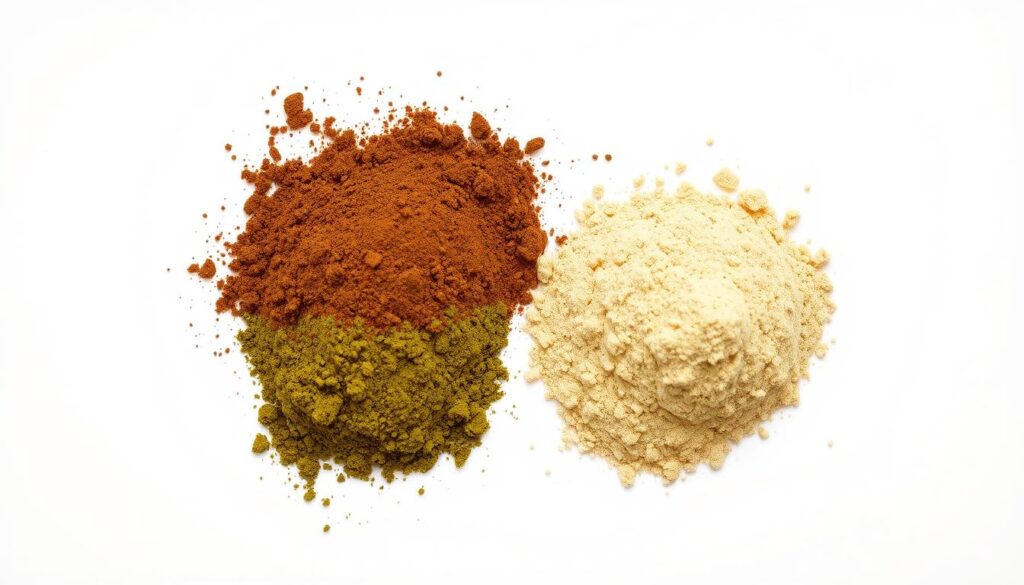
Side-by-side comparison of onset and duration
Powder usually takes longer to appear. Most users report onset around 30–45 minutes with effects that climb slowly. The full experience often lasts about 4–6 hours.
Extracts hit faster. Expect onset in roughly 10–20 minutes and a sharper peak. Typical duration runs shorter, about 2–4 hours.
Differences in potency and alkaloid concentration
Whole-leaf powder is full-spectrum, with mitragynine and dozens of minor alkaloids in varying ratios that depend on strain and harvest. Typical powder doses range from 1–5 grams.
Extracts concentrate mitragynine and 7-hydroxymitragynine. A small amount can match or exceed a powder dose. Many extracts deliver similar effects at 0.5–1 gram or even less, so precision matters.
How preparation and form impact the user experience
Powder requires prep methods like tea, toss-and-wash, or capsules. I find that these let me fine-tune dosing and preserve strain nuance. Taste can be bitter, but control is greater.
Extracts come as flavored shots, resins, enhanced powders, or pre-measured capsules. They are convenient and portable. Flavored forms mask bitterness, but they demand careful measurement to avoid overuse and faster tolerance.
| Attribute | Powder | Extract |
|---|---|---|
| Typical onset | 30–45 minutes | 10–20 minutes |
| Typical duration | 4–6 hours | 2–4 hours |
| Potency per gram | Moderate, full-spectrum | High, concentrated alkaloids |
| Common dosing | 1–5 g | 0.1–1 g depending on concentration |
| User control | Easy fine-tuning | Requires precise measurement |
| Convenience | Preparation needed | Ready-to-use options |
For a practical source of extracts I trust when comparing product forms, I refer to vendors that provide clear lab results. You can see example options at kratom extract for sale to review potency and testing details before buying.
When weighing differences between kratom extract and powder keep in mind the kratom effects comparison: extracts give a faster, sharper peak while powder delivers a gentler, longer ride. Your goal and dosing discipline should guide the choice.
Potency, alkaloid profile, and effects comparison
I explain how powder and extract differ in potency and alkaloids. This helps you choose the right form for your needs. The active compounds in each option can lead to different experiences.
First, let’s look at full-spectrum powder. It keeps mitragynine and many minor alkaloids, offering a balanced effect. Users often pick Red vein powders for body comfort and White veins for energy. This makes full-spectrum red strains popular for pain relief.
Now, let’s talk about extracts. They focus on mitragynine and 7-hydroxymitragynine, making effects stronger and quicker. Manufacturers often list the mitragynine content, making it easier to compare.
Extracts have a higher concentration of alkaloids. This means faster and stronger effects. But, they might last shorter and could lead to tolerance if used too often.
Next, I’ll discuss long-term use. Powder’s alkaloid mix offers longer, gentler effects. It’s great for daily use. Many prefer it for steady energy and comfort.
I’ll provide a quick comparison to highlight the real differences.
| Feature | Full-Spectrum Powder | Concentrated Extract |
|---|---|---|
| Primary alkaloids | mitragynine plus many minor alkaloids | High mitragynine, increased 7-hydroxymitragynine |
| Onset | Slower, gradual | Fast, often within minutes |
| Duration | Longer, more sustained | Shorter peak, variable tail |
| Best use-case | Daily symptom management; many choose red for body relief and the best kratom for pain relief | Acute needs; quick relief or strong, situational effects |
| Tolerance risk | Lower with measured use | Higher if used frequently due to potency |
| Labeling clarity | Varies; fewer products list specific alkaloid mg | Some list mitragynine or 7-hydroxymitragynine content when lab-tested |
In conclusion, potency is key in choosing between powder and extract. For quick, strong relief, extracts might be better. For steady support and lower risk of tolerance, powder is often the choice. Start with small amounts and track how you feel to find what works best for you.
Dosing differences and safe measurement practices
I focus on clear, practical steps for dosing kratom. Start slow, track effects, and choose tools that match the product. Below, I break down typical powder ranges, how extracts compare, and reliable measuring techniques.
Typical starting amounts and a kratom powder dosage guide
Beginners should start with 1–2 grams of powder. Many find 3–5 grams gives fuller effects after adjusting. Wait 30–45 minutes before adjusting your dose to avoid overconsumption.
Keep a log of time, amount, and effects for each session. This habit helps you refine your dose without guesswork.
How extract dosing compares and why precision matters
Extracts are much more concentrated than leaf. Small amounts—often 0.25–1.0 g—can equal several grams of powder. Labels like “10:1” or “50x” lack standardization, so check third-party lab reports for absolute alkaloid content.
Following lab data helps you calculate safer equivalence. Inaccurate dosing with extracts raises the risk of stronger side effects. Treat extract trials with extra caution and start at the low end of any recommended range.
Tools and techniques for accurate dosing
A digital milligram scale is essential for extracts. Use a gram-capable scale for powder. I use separate trays and spoons for each form to avoid cross-contamination.
- Weigh extracts in milligrams, not by eye.
- Measure powders in grams, then double-check with a second weighing.
- Use pre-measured kratom capsules from reputable vendors when you want consistent daily doses.
I keep a dosing log and note batch numbers and lab results. This supports accurate dosing and helps me match product potency across purchases.
| Form | Typical starting amount | Recommended tool | Notes |
|---|---|---|---|
| Powder | 1–2 g | Gram-capable scale | Wait 30–45 minutes before adjusting |
| Extract (concentrate) | 0.25–1.0 g | Milligram scale | Rely on lab alkaloid content, start very low |
| Pre-measured capsules | Per vendor label | None for daily use | Good for consistency; confirm capsule weight and lab testing |
When explaining how to use kratom extract, I stress lab verification and slow titration. Pair that with pre-measured kratom capsules when convenience and consistency matter most.
Onset, duration, and how to choose for specific goals
I provide practical advice on onset and duration to help you choose the right form. Whether you prefer kratom powder or extracts depends on your needs. You might want fast-acting effects or a longer-lasting experience, and maybe you like the detailed taste of each strain.
When slower onset and longer duration
I choose powder for steady, long-lasting effects. It offers gradual energy and mental clarity. This is great for daily tasks and managing pain over time. With powder, you can enjoy the full taste of strains like Red Bali or Red Maeng Da.
When fast-acting, short-duration extracts make sense
Extracts are perfect for quick relief. They work fast, making them ideal for sudden pain or when you’re on the go. A small dose of extract can provide quick relief without taking up much space. But, be careful as extracts can increase tolerance quickly.
Matching form to goals: practical examples
For long-term pain, I suggest red powder for its balanced relief. It combines long-lasting effects with specific strain benefits. In the morning, green or white powder can give you a boost without the need for coffee.
For sudden pain, extracts are the better choice. They offer quick and strong relief. This is the main difference between extracts and powder: extracts are fast and strong, while powder is more nuanced and lasts longer.
I recommend starting with small doses and tracking how you feel. Keeping a log of your experiences helps you find the right kratom for your needs. This way, you can enjoy the benefits while avoiding too much tolerance.
Taste, preparation methods, and user convenience
I explore how people use kratom and what they like. I aim to help readers find the best method for them. This includes taste and how easy it is to use.
Common powder preparations
I’ve tried three main ways to use kratom powder. First, I make kratom powder tea. I simmer or steep it, then strain and drink. The time and amount of powder used change how fast it works and how strong it is.
Next, I use the toss-and-wash method. I mix the powder with water or juice and swallow it quickly. It’s fast but can be rough on the tongue.
Lastly, I use capsules. They hide the taste and make it easy to know how much I’m taking. Many people buy empty capsules to fill themselves or look for pre-filled ones in kratom powder reviews.
Convenience of extracts
Extracts are great for when I need quick results. Kratom extract shots are easy to carry and work fast. They come in flavors that cover up the bitter taste.
Enhanced powders and capsules that have extracts in them offer both strength and ease. They have set amounts, which makes it easier but limits how much I can take.
I check out trusted sellers for liquid kratom products. I often look at kratom liquid for sale for consistent shots and tinctures.
Taste and ways to improve palatability
Kratom tastes earthy and bitter. I mix it into strong juices or smoothies to mask the taste. Adding citrus to my kratom powder tea helps release the good stuff and makes it taste better.
For resin or paste, I add a bit to ginger tea or a smoothie. Kratom extract shots usually have flavors, making them easy to take anywhere.
My rule is that convenience might mean less control. Even with pre-measured extracts, I still check kratom powder reviews and dosing guides before trying stronger forms.
Cost, value per dose, and long-term use considerations
I explore how cost affects the choice between powder and extract. Powder is often cheaper per gram, making it good for daily use. It’s also better for those who want to stick to a budget.
Next, I look at the value per dose. Powder is easy to adjust, while extracts are pricier but use less material. When you look at the cost per dose, extracts might seem better. But, powder is usually more affordable for regular users.
Then, I consider long-term costs and tolerance. Using kratom often can increase tolerance, which can raise costs. Powder is better for long-term use because it’s easier to adjust doses.
I discuss when it’s worth spending more on extracts. They’re good for travel, short-term needs, or a single, strong dose. But, using them sparingly helps avoid building up a tolerance.
For those watching their budget, I suggest checking out this guide: best low-price kratom suppliers. It lists affordable, reliable vendors.
Here’s a simple comparison to help you see typical costs and dose math.
| Item | Typical unit cost | Typical effective dose | Estimated cost per effective dose |
|---|---|---|---|
| Kratom powder (50 g) | $10–$25 | 2–4 g | $0.40–$1.50 |
| Kratom extract (10 g equivalent) | $20–$60 | 0.25–1 g | $2.00–$12.00 |
| Enhanced powder (blend) | $15–$40 | 1–2 g | $1.00–$4.00 |
My final thought is practical. For those who use kratom regularly, powder is often cheaper in the long run. But, extracts might be worth it for occasional or high-potency use. Think about both cost and tolerance when choosing.
Safety, regulation, and choosing reputable sources
I look into the safety differences between kratom extract and powder. The FDA doesn’t regulate kratom as a dietary supplement. So, local laws, recalls, and safety advisories are key.
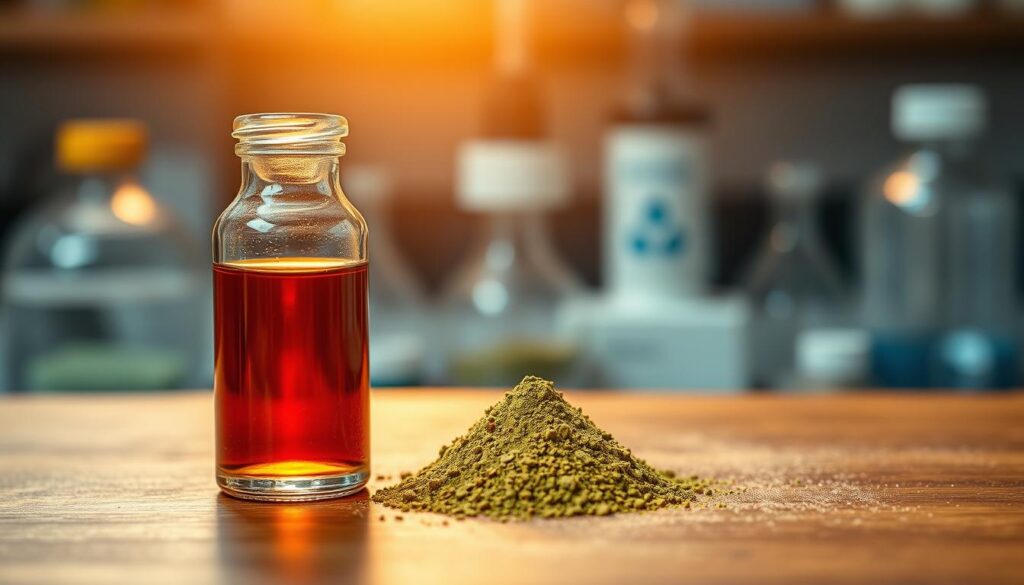
Third-party lab-tested kratom is crucial. Vendors should share batch-specific Certificates of Analysis. These show the alkaloid levels, absence of microbes, and heavy metal limits. Look for clear labels that show exact alkaloid amounts, not vague terms like “50x.”
I have three quick checks for buying kratom extract or powder safely.
- Transparency: vendors should post COAs and clear dosing guidance for both powder and extracts.
- Manufacturing standards: look for companies that follow good manufacturing practices and have responsive customer service.
- Customer feedback: read kratom powder reviews and extract reviews to see consistent reports on quality and safety.
Below I compare core vendor credentials to help you evaluate options before purchase.
| Vendor Credential | What I expect to see | Why it matters |
|---|---|---|
| Batch COA | Third-party lab-tested kratom report for each batch | Confirms alkaloid content and lack of contaminants |
| Clear labeling | mg mitragynine per serving, origin, harvest date | Prevents accidental overconsumption and misleading potency claims |
| Legal compliance | State-by-state shipping policy and age verification | Ensures you do not buy to a restricted area |
| Manufacturing | GMP or third-party facility audits | Reduces risk of contamination during processing |
Before buying, check the FDA kratom status and local laws. Past recalls show the importance of being careful. If you’re on medication or have health issues, talk to a doctor first.
Pros and cons of Kratom Powder and Kratom Extract
I help readers choose between kratom powder and extract. I talk about control, cost, and how they feel. I also mention taste and tolerance issues. My advice is based on what many users say.
Why powder appeals to many.
Kratom powder is great for getting all the alkaloids. It lets you try different strains easily. Many say it’s good for a long-lasting effect and is cheaper.
Where extract can help.
Extracts are strong and work fast. They’re good for quick needs and come in easy formats like capsules. They’re perfect for those who want a strong effect without a lot of product.
Common downsides to keep in mind.
Powder can taste bad and takes time to make. Extracts might lead to quick tolerance and cost more. They can also hide the unique taste of each strain.
Practical guidance I recommend.
- Start with a small dose and adjust slowly. Use a gram scale for accuracy.
- Choose powder for a gradual energy boost. It’s known for consistent effects.
- Use extracts only when needed for quick relief. This helps avoid getting used to them too fast.
- Check reviews and lab reports before buying to ensure quality.
| Feature | Kratom Powder | Kratom Extract |
|---|---|---|
| Onset | Slower, steady onset that favors longer duration | Fast onset, useful for immediate needs |
| Potency | Full-spectrum, moderate potency per gram | High potency, concentrated alkaloids per dose |
| Cost per dose | Lower cost per typical dose; cost-effective long term | Higher cost per use, but less volume needed |
| Strain nuance | Preserves strain profiles like Red/Green/White/Gold | Often loses subtle strain differences |
| Taste and prep | Bitter taste; requires tea or capsules for palatability | Convenient formats and flavored shots reduce prep |
| Tolerance and risk | Lower risk when dosed responsibly | Higher risk of tolerance, overuse, and dependence |
| Best for | Beginners, budget-conscious users, sustained energy seekers (kratom powder for energy) | Experienced users needing potency or fast relief |
I summarize the pros and cons of kratom powder and extract. I suggest starting with powder and using extracts with caution. This way, you can avoid getting used to them too quickly.
Conclusion
After looking at kratom extract vs powder, we see each has its own use. Kratom powder is great for beginners and those watching their budget. It offers a wide range of strains and lasts longer.
On the other hand, extracts are for those who want fast, strong effects. They are perfect for experienced users who need something portable and potent.
For choosing the right kratom form, start with small powder doses (1–2 g) to see how you react. Use extracts carefully, measuring them with a scale. Always choose products tested by third-party labs with clear labels. You can find more details here: kratom extract vs powder guide.
Don’t forget about safety and following the law. Check if kratom is legal in your area and talk to a doctor if you’re unsure. Keep track of how much you take and how it affects you. This will help you choose between powder for lasting relief or extracts for quick, strong effects.