

Many people look for a kratom alternative. They want natural treatments for pain, relaxation, energy, sleep, or mood. I’ll explore herbal supplements that offer similar benefits without opioids.
I aim to guide you through natural options like ashwagandha, CBD, and kava. We’ll also look at matcha, Mitragyna hirsuta and javanica, blue lotus, and more. I’ll cover safety, dosing, and legal aspects for U.S. readers.
Changes in Indonesia and U.S. laws have led to a search for legal alternatives. No single herb perfectly mimics kratom. Most alternatives match one or two effects, like calm or pain relief, and results vary.
Expect comparisons, safety tips, and honest advice on natural remedies. I’ll focus on evidence and real experiences to help you find what works for you.
Key Takeaways
- Kratom alternative searches often focus on pain, sleep, mood, and energy support.
- Natural remedies and herbal supplements offer targeted effects, not a single kratom substitute.
- Botanical alternatives include adaptogens, CBD, kava, Mitragyna relatives, and anti-inflammatory herbs.
- Legal and supply changes make plant-based treatments a practical consideration for many U.S. users.
- Safety, dosing, and quality matter—I’ll highlight those points in each section.
Understanding Kratom and Why People Seek a kratom alternative
Kratom has become a popular topic. It’s a tree with compounds that can make you feel good or relaxed. People use it for many reasons, like feeling more awake or less stressed.
They take kratom in different ways, like powder or drinks. It helps with pain, focus, and sleep.
People look for alternatives because of changes in kratom’s availability. Indonesia stopped exporting raw kratom, and some U.S. states banned it. This makes finding legal alternatives important.
Some switch because they get used to kratom or worry about addiction. Others can’t find their favorite types anymore. Some just want to try new things that are safer and don’t have the same risks as kratom.
Alternatives usually offer some of kratom’s benefits but not all. People look for options that are legal and safe. They want to find something that works for them without breaking the law.
| Reason to Switch | Common Goal | Typical Alternative |
|---|---|---|
| Tolerance or desire to reduce use | Lower dependence risk, clearer dosing | Ashwagandha or rhodiola for stress and energy balance |
| Travel or state/country legality | Reliable, legal access | Cannabidiol (CBD) or standardized herbal extracts |
| Need for specific effect (pain, sleep, focus) | Targeted symptom relief | Turmeric/curcumin for inflammation; valerian for sleep |
| Supply disruptions or product scarcity | Consistent availability and quality | Commercially produced botanicals with lab testing |
| Harm-reduction and safer profiles | Opioid-free choices and clearer safety data | Standardized supplements and evidence-backed herbal options |
Ashwagandha and Adaptogens for stress resilience and hormonal balance
I recommend herbal supplements for those looking for a gentle alternative to kratom. Ashwagandha is a key adaptogen in Ayurvedic medicine. It’s great for daily stress relief and hormone balance.
What it does and who benefits
Ashwagandha, or Withania somnifera, helps lower stress and cortisol levels in some studies. It’s good for those with chronic stress, mild anxiety, or low energy. It may also boost testosterone in some men, helping with hormonal balance.
But, ashwagandha takes time to work, not offering quick fixes. Its slow, steady effect makes it a valuable part of stress management.
How it compares to kratom
Kratom can be a stimulant at low doses and a relaxant at high doses. Ashwagandha doesn’t have these effects. It provides a gradual calm and resilience without the highs and lows of kratom.
For those looking for a natural alternative, ashwagandha offers steady stress relief. It’s chosen over kratom for its ability to support balance without the risk of tolerance.
Forms, dosing, and safety notes for U.S. readers
In the U.S., ashwagandha is available as standardized extracts like KSM-66 and Sensoril, and powdered root in capsules or loose form. Typical doses range from 300–600 mg daily for extracts, and 1–3 grams for root powder. Start with the lower end and wait a few weeks to see results.
It’s crucial to be safe. Ashwagandha can interact with certain medications, including immunosuppressants, sedatives, thyroid medicines, and blood pressure drugs. Pregnant or breastfeeding women should avoid it. Always choose third-party tested brands like NOW Foods, Gaia Herbs, or Thorne. If you’re on medication, consult a doctor.
| Aspect | Ashwagandha | Kratom |
|---|---|---|
| Main action | Adaptogen for stress resilience and hormone support | Alkaloid-driven stimulant or relaxant depending on dose |
| Onset | Gradual, days to weeks | Rapid, minutes to hours |
| Typical dosing | 300–600 mg extract; 1–3 g root powder | Varies widely by strain and user tolerance |
| Common uses | Chronic stress, endurance, hormonal balance | Pain relief, mood lift, short-term energy or relaxation |
| Safety considerations | Interactions with meds; avoid in pregnancy; generally well tolerated | Dependence risk; legal and safety concerns in some states |
| Best for | Those seeking holistic solutions and steady support from adaptogens | Users seeking acute effects or potent dose-dependent shifts |
CBD and Cannabidiol for pain relief, relaxation, and anxiety reduction
I’ve looked into CBD as a kratom alternative for those seeking gentle, opioid-free options. CBD works with our body’s endocannabinoid system. It might help with pain, inflammation, and stress. This makes it a good choice for chronic pain, sleep, and daily anxiety.
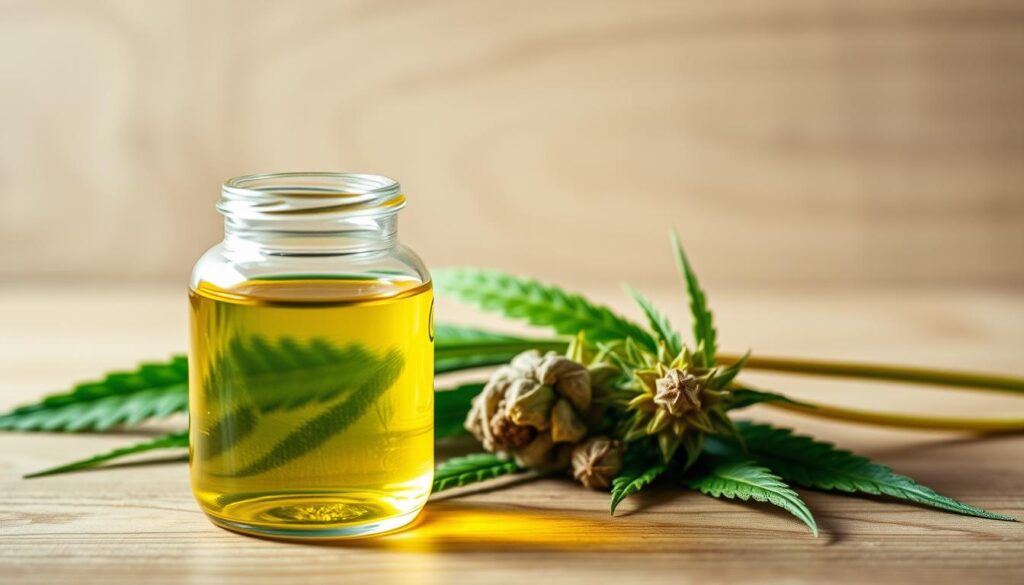
People use oils, tinctures, capsules, edibles, topicals, and vapes to get the right effect. Oils and tinctures start working slowly but can be dosed easily. Topicals help with pain in one spot without affecting the whole body. Start with a small dose and adjust as needed.
CBD’s mechanisms and common wellness applications
CBD might help with pain and anxiety by changing how our body responds to stress. It could also affect how we feel pain and inflammation. Users find it helps with nerve pain, arthritis, sleep, and anxiety.
Comparing CBD to kratom for pain management options and sleep support
CBD is milder than kratom and doesn’t have kratom’s stimulating effects. It’s a good choice for those who don’t want to get addicted. CBD can also help with sleep without making you feel drowsy.
Those switching from kratom like CBD for its non-addictive nature. It takes longer to start working but has milder effects. Some mix CBD with other pain relief methods for better comfort.
Choosing quality CBD products and legal considerations across states
Quality is key. Look for third-party lab tests to ensure the product is safe. Brands like Charlotte’s Web, CBDistillery, and Lazarus Naturals are known for their quality and clear dosing advice.
In the U.S., CBD from hemp with ≤0.3% THC is legal, but laws vary by state. If you’re on certain medications, talk to your doctor first. CBD can affect how your body processes some drugs, so start with a small dose and increase slowly.
| Form | Typical Use | Onset | Notes |
|---|---|---|---|
| Oil/Tincture | Daily anxiety, chronic pain, sleep | 20–60 minutes | Flexible dosing, full-spectrum options may add hemp terpenes |
| Capsules | Consistent daily dosing, convenience | 30–90 minutes | Predictable dose, slower onset |
| Topicals | Targeted joint and muscle relief | 10–30 minutes | Minimal systemic absorption, good for localized pain |
| Edibles | Long-lasting relief for sleep or chronic discomfort | 60–120 minutes | Strong, prolonged effects; dosing less flexible |
| Vape | Rapid relief for acute anxiety or flare-ups | Within minutes | Fastest onset, not recommended for frequent use due to lung concerns |
Kava and social relaxation as a botanical alternative
I often suggest kava for those looking for a kava kratom alternative. Kava, from Piper methysticum, is rooted in South Pacific traditions. It’s used as a drink, tincture, or gummy to promote social relaxation and ease anxiety.
Kava’s effects come from kavalactones that relax muscles and calm anxious thoughts. In Fiji and Vanuatu, kava is a staple in ceremonies and casual gatherings. Today, you can find it in various forms, from traditional powdered root to standardized extracts by brands like Kat’s Botanicals and Kalm with Kava.
When kava might substitute red-vein kratom for evening relaxation
Kava is great for those seeking the calming effects of red-vein kratom without its alkaloids. It’s perfect for social evenings or unwinding with dim lights, light chats, and relaxing activities. Many prefer kava over kratom for its ability to enhance shared, ceremonial relaxation.
Safety, liver concerns, and recommended consumption practices
There have been rare cases of liver damage, leading to caution and more research. The NIH and doctors recommend using it in moderation. Start with a low dose, follow the product’s instructions, and avoid mixing it with alcohol or other depressants. Always choose reputable suppliers that provide kavalactone content and batch information.
If you have liver disease or take liver-metabolized medications, talk to your doctor before trying kava. For healthy adults, short-term, low-to-moderate use can be part of a safe, holistic approach to relaxation and social ease.
Mitragyna relatives and milder Mitragyna options
I’ve looked into several kratom relatives for those seeking gentler plant-based treatments. Mitragyna hirsuta and Mitragyna javanica are two such species. They have similar alkaloids to kratom but are milder.
Mitragyna hirsuta and Mitragyna javanica: similarities and differences to kratom
Mitragyna hirsuta is known for its soothing and energizing effects. It has less mitragynine than kratom, making it feel softer.
Mitragyna javanica can offer relaxation or mild sedation, depending on the dose. It has unique alkaloids like mitrajavine, setting it apart from kratom.
Both plants have less 7-hydroxymitragynine than kratom. This results in a milder effect and lower potency.
Practical considerations: potency, dosing, and availability
These plants are less potent than kratom. Users might need more to feel the same effects, which can be more expensive. Start with small doses and adjust as needed.
Finding these plants can be tricky. They’re more common in small botanical shops and specialty stores. For more information on legal kratom alternatives, check out Mitragyna alternatives and options.
Who might prefer these botanical relatives and legal advantages
Those looking for a milder kratom alternative might choose Mitragyna hirsuta or Mitragyna javanica. They’re good for those managing tolerance or dependence risks.
These species are legal in states where kratom is restricted. This makes them attractive for those seeking compliant plant-based treatments with a familiar feel.
Energetic and focus-supporting botanicals: coffee, matcha, ginseng, Sakae Naa
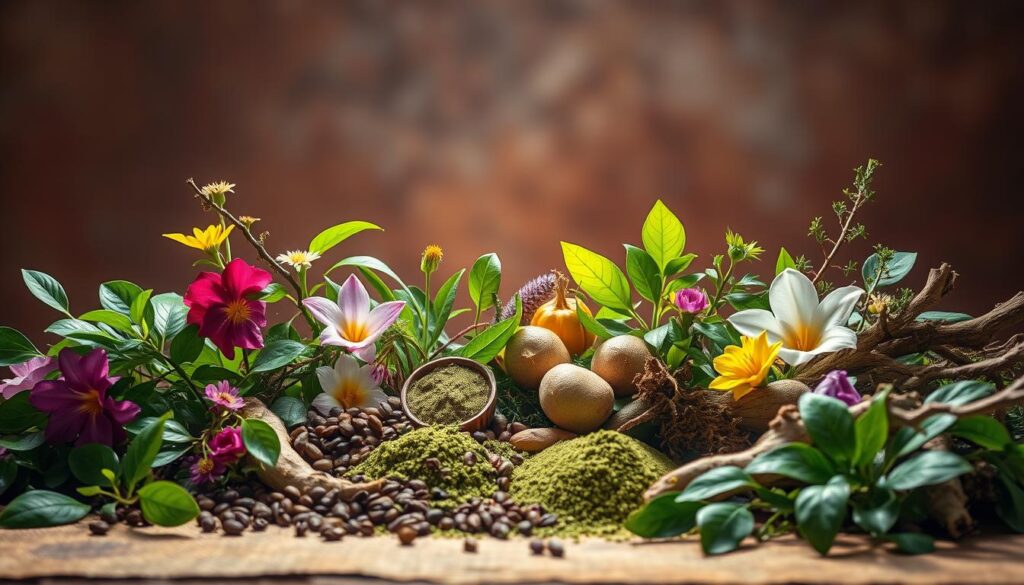
I look for reliable options when I need clear energy and steady focus. Coffee, matcha, ginseng, and Sakae Naa are my go-to choices. Each offers different effects, so I choose based on the task at hand.
How coffee and matcha offer quick and sustained energy (L-theanine synergy)
Coffee gives me quick alertness, perfect for short work bursts or early mornings. Its effects are sharp and fast, lasting a few hours.
Matcha, on the other hand, combines caffeine with L-theanine for sustained focus. It’s great for long tasks or pre-workout routines. It’s a better choice for those who want steady energy without jitters.
Ginseng’s role for stamina and immune support compared to stimulating kratom strains
Panax ginseng is a natural remedy for long-term energy. It supports stamina and immune health without sudden spikes. It’s ideal for a busy day’s energy.
Unlike quick-acting energy boosters, ginseng builds benefits over time. Start with a morning dose and be cautious of medication interactions.
Combretum quadrangulare (Sakae Naa) as a plant-based energizer
Sakae Naa, or Combretum quadrangulare, is a kratom alternative in Southeast Asia. It offers mild stimulation and clearer focus, similar to white-vein kratom.
Those looking for non-kratom options like Sakae Naa for its legality and plant-based nature. Start with small doses in the morning to gauge its effects on alertness and sleep.
Herbs for pain management options and inflammation: turmeric, akuamma, wild lettuce
I’ve looked into natural ways to manage pain and reduce inflammation. Some herbs help with inflammation, while others ease pain or improve sleep. I focus on safe, easy-to-use options that you can try with your doctor’s advice.
Turmeric (Curcuma longa) is well-known for its anti-inflammatory properties. Studies show that curcumin can lower inflammatory markers. I suggest using standardized curcumin extracts with piperine for better absorption. This is good for long-term inflammation and as a safer alternative to opioids.
Akuamma seed (Picralima nitida) is a gentler option compared to kratom. It’s used in West Africa for body relief. The alkaloid akuammine has effects similar to kratom, but there’s less research. Akuamma is often milder and comes in capsules to hide its bitter taste. It’s important to buy from trusted vendors for safety and quality.
Wild lettuce is a mild relaxant and sleep aid. It’s softer than kratom for sedating effects. It’s great for those who want gentle body relief without strong stimulation or intense pain relief.
Practical tips: when looking for turmeric alternatives, focus on curcumin extracts for anti-inflammatory benefits. For akuamma alternatives, check the dosage and choose reputable vendors. Wild lettuce is good for nighttime relief and for easing off stronger substances.
Remember to talk to a healthcare provider about any interactions. Turmeric can affect blood thinners, and akuamma and wild lettuce may interact with medications. Careful sourcing, using standardized extracts, and cautious testing make these herbs good options for some people.
Botanicals for mood, motivation, and cognition: rhodiola, kanna, muira puama
I often choose gentler plants for mood lift, motivation, and clear thinking. These plants offer a natural alternative to kratom. I focus on quality and how they affect my mood and energy.
Rhodiola rosea helps me stay focused when I’m tired. I look for extracts with 3% rosavins and 1% salidroside. It boosts my stamina and prevents mid-afternoon crashes.
Kanna, or Sceletium tortuosum, is my pick for calm confidence and a brighter mood. I prefer tinctures and low-dose extracts for quick results. But, I’m careful not to mix kanna with antidepressants due to possible interactions.
Muira puama, or potency wood, supports quiet vitality and libido. Capsules and tinctures give me mild energy and stamina. It’s great for subtle cognitive boosts without the jitters.
I use mental focus herbal supplements carefully, testing one at a time. Mixing rhodiola, kanna, and muira puama can work well. But, I watch for interactions and avoid strong stimulants. If you mix them, start with small doses and track your mood, sleep, and anxiety.
Sleep and relaxation alternatives: valerian, blue lotus, Incarvillea sinensis
I look for gentle, plant-based sleep alternatives for evening calm. Some people switch from kratom to herbs for sleep, muscle tension, or dreamy relaxation. Here are three options I’ve tested and trusted for a mild wind-down routine.
Valerian root is a well-known herbal sleep aid. I take standardized Valeriana officinalis extracts, 300–600 mg, 30–60 minutes before bed. It helps people fall asleep faster without heavy grogginess the next day.
Valerian can be a good alternative to kratom for those seeking sleep onset and anxiety relief. Choose a reputable brand and avoid mixing it with alcohol or strong sedatives. If you’re on benzodiazepines or strong CNS depressants, consult a doctor first.
Blue Lotus offers a soft, dreamy calm for ritual tea or evening inhalation. It’s been used in Egypt for its relaxing effects. For those who find kratom too stimulating at night, blue lotus is a gentle alternative.
Quality matters. Buy from vendors who provide clear sourcing and batch testing. Start with low doses and avoid mixing with other strong sedatives.
Incarvillea sinensis, or hardy gloxinia, is useful for muscle tension and recovery. It’s helpful on nights after heavy activity. Users report mild sedative and muscle-relaxing effects for a good night’s sleep.
Since there’s limited literature, use Incarvillea sinensis cautiously. Start with small amounts and avoid mixing it with prescription muscle relaxants or opioids. If you have chronic conditions or take CNS-active medications, talk to a healthcare provider.
I keep these herbal sleep aids as part of my evening routine. I dim the lights, take a short walk, and enjoy a warm tea. When I need alternatives to kratom for sleep, valerian, blue lotus, and Incarvillea sinensis offer options for latency, dreamy relaxation, and muscle ease without heavy impairment.
Conclusion
I’ve shown many botanical alternatives to kratom for daily use. The main idea is that no plant is exactly like kratom. For stress relief, ashwagandha and rhodiola are good. For pain, CBD and akuamma work well.
Kava, valerian, and blue lotus help with relaxation and sleep. For a milder effect, try Mitragyna relatives. For energy and focus, coffee, matcha, ginseng, and Sakae Naa are great.
Choosing the right kratom alternative is important. Look for the effect you want, like energy or relaxation. Make sure the product is tested by a third-party lab. Also, check if it’s legal and safe with your medications.
Indonesia’s rules and U.S. laws make these alternatives more important. They help those who need to keep their wellness routines going.
Try these options carefully, focusing on safety and quality. They should be part of a plan to avoid opioids. For a quick guide on replacing kratom, see this summary: what can replace kratom in a daily routine. Always talk to your doctor if you’re taking medications or have health issues.