

I’m excited to share the wonders of yellow vein kratom with you. I discovered Mitragyna speciosa during my travels in Southeast Asia. This tree grows well in humid, forested areas and is part of the Rubiaceae family, like coffee.
Its leaves are large and have 12–17 pairs of veins. But, yellow vein kratom isn’t naturally yellow. It gets its color from drying and short fermentation, which changes the leaf’s stem and alkaloid profile.
Yellow vein kratom is often in between red and green strains. Companies like Stardust Kratom call it “sunrise” or “golden harvest.” They focus on sustainable growth and careful processing. People in the U.S. like it for its balanced energy, mood support, and mild pain relief.
Many report it helps with focus and is great for daytime use. It doesn’t have the heavy feel of some red strains.
Key Takeaways
- Yellow vein kratom is a processed variant of Mitragyna speciosa created by drying and short fermentation.
- The plant is native to Southeast Asia and belongs to the Rubiaceae (coffee) family.
- Yellow strains typically bridge red and green profiles, offering balanced energy and mood support.
- Reputable vendors emphasize sustainable sourcing and artisanal drying methods.
- Commonly sought yellow vein kratom benefits include mild analgesia, focus, and daytime energy.
Origins and History of Mitragyna speciosa in Southeast Asia
Kratom comes from the humid forests of Cambodia, Thailand, Indonesia, Malaysia, Myanmar, and Papua New Guinea. The soil in these places is perfect for Mitragyna speciosa to grow. People there used the leaves to make tea or chew them for relief from fatigue and pain.
Indigenous communities used kratom for its practical benefits. It helped laborers stay energized and hungry. In Thailand, kratom was given as a snack to guests and used in rituals. In Malaysia and Thailand, it was used as a substitute for opium in the 19th century.
Traditional use among indigenous communities
The leaf’s structure made it valuable. Its cuticle layers and wax films concentrate the active compounds. People harvested mature leaves and used them in various ways to access these compounds.
I included a link to the formal botanical record so readers can explore the scientific naming and early descriptions: history of Mitragyna speciosa.
Journey from local remedy to global herbal supplement
As trade and travel increased, kratom’s uses expanded. People outside Southeast Asia used it for mood, energy, and pain. New methods of processing created yellow vein kratom with unique profiles.
Vendors started to focus on sustainable harvest and traceability. They linked their products to traditional cultivation sites. When buying yellow vein kratom, people look for clear sourcing and testing information.
Legal and regulatory landscape relevant to the United States
Legal status of kratom varies by country and within the United States. States have different rules, and federal guidance has changed. I advise readers to check local laws before buying and to talk to healthcare providers about safety.
| Topic | What I recommend | Why it matters |
|---|---|---|
| Origins and sourcing | Seek vendors that document harvest regions in Southeast Asia | Traceability links products to traditional practices and sustainable farms |
| Processing and variety | Ask how yellow vein batches are dried or fermented | Processing can affect alkaloid profile and user experience |
| Legal checks | Verify state-level rules where you live | Regulations change; compliance avoids legal risk |
| Purchasing | Buy yellow vein kratom only from reputable sellers with lab reports | Quality testing reduces risk of contaminants and mislabeling |
Botanical Profile of the Kratom Tree and Leaf Anatomy
I start with a brief look at the kratom botanical profile. Mitragyna speciosa is part of the Rubiaceae family, like coffee plants. It grows in equatorial forests, with leaves that help us tell when it’s ready to harvest.
Key botanical traits of Mitragyna speciosa
The tree can grow very tall, taller than other plants in the forest. Its leaves have 12–17 vein pairs. These details help us understand where the kratom comes from.
Leaf structure, veins, and alkaloid-containing tissues
The leaves of Mitragyna speciosa have special layers to keep water in. Alkaloids, the active parts, are found in the veins and inside the leaf. This affects how strong the kratom will be.
How environment and soil in Southeast Asia influence plant chemistry
Soil, rain, and sunlight affect how the plant grows and what chemicals it makes. Places like Indonesia and Thailand have unique kratom because of their environment. Labs can find special elements that show where the kratom was grown.
I believe in farming that’s good for the planet and traditional methods. When farmers in Southeast Asia use these methods, the kratom stays consistent. This makes it easier for buyers in the US to find reliable kratom.
What Is Yellow Vein Kratom
I explain what yellow vein kratom is and why it’s a good choice for those looking for a balanced strain. Yellow vein kratom isn’t a specific type of kratom. It’s a way to process kratom that results in a lighter color and a unique mix of alkaloids. This makes it easier for users to know what to expect.
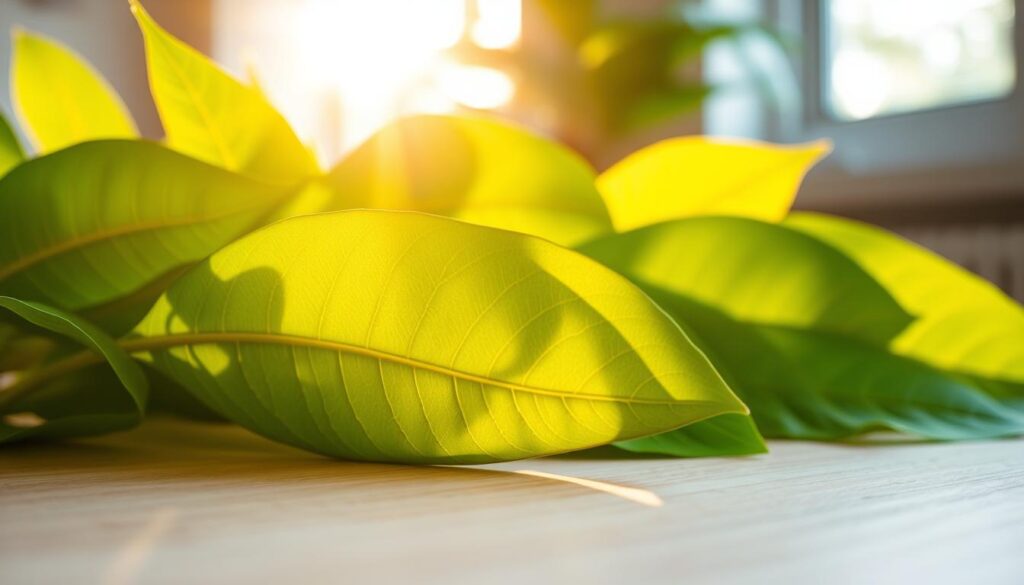
I talk about how yellow vein kratom is made so you can understand its quality. Producers use different methods like controlled drying, brief fermentation, or longer aging to change its chemistry. Many dry leaves for about two days to get the yellow color. Some producers age leaves longer or mix different veins to make the product more consistent.
I compare the different ways yellow kratom is made. One method is partial fermentation followed by careful drying. Another is aging whole leaves slowly. Some makers blend red and white kratom to create a yellow product called “sunrise” or a balanced mix.
I explain why the veins of yellow kratom appear yellow. Kratom leaves are not naturally yellow. The color comes from processing. Changes in moisture, oxidation, and enzyme activity affect the color and alkaloids. Lab tests show a unique profile in yellow kratom compared to green or red leaves.
I discuss the difference between yellow and gold kratom. Gold kratom is yellow kratom that’s been dried or fermented a bit longer. This makes it slightly darker and richer. The main difference is in the processing, not the type of kratom.
People often ask about the effects of yellow vein kratom. Yellow kratom is a mix between red and green. It offers mild energy and focus like green strains but also has some soothing effects like red strains. This makes it perfect for daytime use when you need clarity without too much stimulation.
I give tips on how to choose yellow kratom products. Look for vendors that share details about their drying and aging processes. Check lab reports if you can. Trust U.S. companies that follow the American Kratom Association’s GMP program for quality and transparency.
Top yellow vein kratom strains and how they compare
I try many blends to find the best for different needs. Here, I share the most popular yellow vein strains. I focus on their effects on energy, mood, and relaxation. My goal is to help you choose the right yellow vein kratom for you.
Yellow Bali is known for its calm and steady relief. People say it helps with anxiety and relaxation without making you too sleepy. It’s made by mixing red-vein kratom with special drying methods.
Yellow Thai, on the other hand, is more energizing. It’s made from white or green vein kratom and boosts focus and alertness. It’s great for daytime tasks without the jitters.
Yellow Indo is a balance between Bali and Thai. It lifts your mood and gives you moderate energy. It’s perfect for those who want to relax and stay focused at the same time.
There are also other blends like Yellow Borneo, Yellow Vietnam, and Gold Bali. These can be more energizing or relaxing, depending on how they’re made. I always check the product details before buying.
Here’s a quick comparison to help you choose the best yellow vein kratom for your needs.
| Strain | Typical Effect | Best Use Case | Notes from Users |
|---|---|---|---|
| Yellow Bali | Calm, mood support | Evening wind-down; anxiety relief | Often linked to red-vein lineage; gentle and steady |
| Yellow Thai | Stimulating, focus | Daytime tasks; productivity boosts | Derived from white/green veins; brighter and alerting |
| Yellow Indo | Balanced mood and energy | All-day support; social and functional use | Midway between Bali and Thai; versatile |
| Yellow Borneo | Uplifting yet steady | Daytime use with mild calming | Popular for mild stimulation without edge |
| Yellow Vietnam | Energetic mood lift | Active days and creative work | Users report good balance of energy and relief |
| Gold Bali | Relaxed energy, mood elevation | Low-key days when mood support is needed | Crafted blends emphasize sunrise harvests |
yellow vein kratom
I focus on yellow vein kratom because people are curious about its effects, how it’s made, and where to buy. I see a range of questions, from casual to ready-to-buy. My goal is to provide clear, useful answers.
Why I spotlight this keyword and its search intent
People search for “yellow vein kratom” looking for a mix of energy and calm. They want to know how it’s made, like if processing makes it yellow. Some are ready to buy, so I watch for signs of that.
Common questions searchers have about yellow vein kratom
People often ask: What is it? How is it made? What are its effects and safe amounts? They also compare it to other vein colors and want to know where to buy.
- Definition and core effects people expect.
- Processing methods: drying, aging, and possible fermentation.
- Dosage ranges and safety cues for new users.
- Comparisons to other vein colors to set expectations.
- Vendor vetting: lab reports, traceability, and freshness.
How I recommend structuring content to match buyer intent
I start with a clear definition and the main effects. Then, I offer practical buying tips, including lab testing and traceability. I also cover dosage safety and compare strains.
To attract buyers, I include reviews and a list of trusted vendors. People looking to buy want to see lab results and recent batch dates.
For those interested in benefits, I explain them simply and link to real-world examples. This keeps readers engaged and guides buyers to reliable sources.
Potential benefits and reported effects of Yellow Vein Kratom
I look at what people say and what vendors claim about yellow vein kratom. Many say it makes them feel happier and more alert. But, we don’t have much scientific proof yet. Always track how you feel and talk to a doctor before trying new herbs.
Mood enhancement, focus, and cognitive support
Many say yellow vein kratom boosts their mood. They feel less stressed and can focus better. This makes it great for tasks that need your full attention.
Energy, productivity, and daytime use considerations
Yellow vein kratom sits between the calm of yellow blends and the energy of white strains. It’s like a coffee substitute or a pre-workout boost. Start with a small dose to see how it affects your energy and productivity.
Pain relief and relaxation profiles reported by users
At higher doses, yellow vein kratom can help with pain and relaxation. Strains like Yellow Bali are known for their calming effects. Yellow Thai offers a mix of stimulation and pain relief. Remember, everyone reacts differently, so keep track of your experiences.
Dosage guidance and consumption methods for safe use
I always say start with a small amount and watch how you feel. Beginners should start with a small dose and adjust as needed. This helps you find the right balance.
Recommended starting doses and adjustment strategy
For most adults, a small dose is a good starting point. It’s best to wait a few hours before increasing the dose. This helps avoid taking too much too soon.
Forms: capsules, powder, tea, and tinctures — pros and cons
Capsules are easy to use and help you control the dose. They also hide the taste. You can buy them from places like Kraken Kratom or Happy Hippo Herbals.
Powder lets you adjust the dose easily. You can mix it into foods for quick absorption. Tea is great for a relaxing experience because it starts working slowly.
Tinctures and extracts are strong and work fast. Start with a tiny amount to see how it affects you. This way, you can avoid taking too much.
How I track effects and titrate dose responsibly
I keep a log for each time I use it. It lists the date, time, dose, and how I feel. This helps me adjust the dose for the next time.
When trying different ways to take it, I only change one thing at a time. This makes it easier to see what works best for you. It also helps avoid getting used to it too quickly.
Labels often have good advice. I check these tips against lab reports and my own notes. This careful approach keeps me safe and in control.
Safety, side effects, and research status
I take safety seriously when talking about yellow vein kratom. I want you to know about common short-term reactions and the current evidence before trying it.
Common short-term effects to watch
People often report nausea, dizziness, dry mouth, and constipation after using kratom. At higher doses, these issues can get worse. I suggest starting with a low dose and stopping if you experience any of these symptoms.
Long-term concerns, dependency risk, and interactions
Long-term use of kratom can lead to dependency and psychological reliance. Some studies show withdrawal symptoms and changes in hormone or liver markers in rare cases. Mixing kratom with prescription drugs, like benzodiazepines or antidepressants, can increase risks. Always talk to a doctor if you’re on other medications.
Summary of current scientific research and gaps
Research on yellow vein kratom is still in its early stages. Lab studies and small clinical trials have looked at compounds like mitragynine. But, we need more solid research on its safety and effectiveness. For a quick overview, check out this kratom overview and reports.
Quality of the product matters a lot. Since regulations vary, lab tests and good manufacturing practices help ensure safety. But, they can’t replace the need for more clinical data. I advise using caution, watching for side effects, and keeping up with the latest research on yellow vein kratom.
How to buy yellow vein kratom: quality, testing, and vendor tips
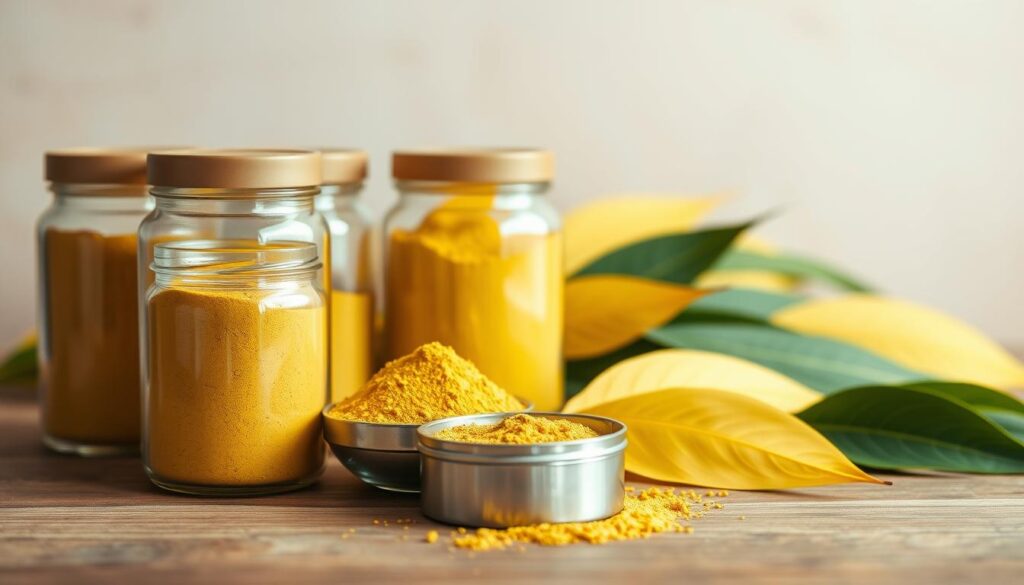
When you’re looking to buy yellow vein kratom, start by asking for lab testing reports. These reports, called Certificates of Analysis (COAs), show the alkaloid content and check for contaminants. Look for ICP-MS or similar methods to ensure the quality.
Freshness is key. Vendors who work directly with farmers in Indonesia, Thailand, or Vietnam often have fresher products. Knowing the country, region, and strain origin helps me trust the quality.
What lab testing reports should include (purity, contaminants)
A COA should list the alkaloid levels and check for contaminants. It should also include batch IDs that match the product. If a vendor can’t provide third-party lab testing, I don’t trust them.
Importance of freshness, sourcing, and traceability from Southeast Asia
I look for yellow vein kratom reviews that mention aroma, color, and potency. These hints suggest the quality of the harvest and processing. Vendors who focus on sustainable harvests and quick drying usually offer better results.
Certifications, the role of the American Kratom Association GMP program, and red flags when shopping
The American Kratom Association GMP program sets standards for handling and storage. Membership or visible GMP compliance is a good sign. Be wary of vendors without lab reports, vague sourcing, or exaggerated claims.
I compare product COAs with reviews and reputable shop lists. For a buying guide, check out best yellow vein kratom vendors. This helps me find trusted sellers.
| Factor | What I check | Why it matters |
|---|---|---|
| COA availability | Third‑party lab name, batch ID, alkaloid levels, contaminants | Verifies purity and origin markers via kratom lab testing |
| Traceability | Country/region of harvest, strain name, farming practices | Supports authenticity and consistent alkaloid profiles |
| Vendor reputation | Customer feedback, consistent product descriptions, pricing | Helps identify the best yellow vein kratom vendors and avoid scams |
| Processing & freshness | Harvest date, drying method, packaging date | Influences potency and user experience |
I read reviews for real feedback on effects and consistency. I avoid vendors making medical claims. I trust sellers who are transparent about COAs, sourcing, and quality programs like AKA GMP.
Conclusion
I’ve gathered key points about yellow vein kratom. It’s a type of Mitragyna speciosa, often seen as a mix between red and green veins. It’s made by drying, fermenting, and blending in a special way.
Many people like it for its mood, focus, and pain relief. But, we need more research, so be careful.
Quality and safety depend on where it comes from and how it’s tested. I look for vendors with COAs, clear farm sources, and American Kratom Association GMP program membership. Reading reviews and checking lab reports helps me find the best quality.
When I try yellow vein kratom, I start with a small dose and watch how it affects me. It’s important to dose responsibly, know about possible interactions, and talk to a doctor. Choosing vendors who grow it ethically and blend it with care is key.
In summary, yellow vein kratom is a middle ground that many find helpful. But, quality, vendor honesty, and careful use are crucial. Always read reviews, check lab results, and start with small doses to see what works for you.